Pick my car
News · Updated November 2026

EV news

The EV and hybrid news that matters to Australian buyers, in plain English: new models, battery breakthroughs, prices and power deals, plus the legends that never die.

New models

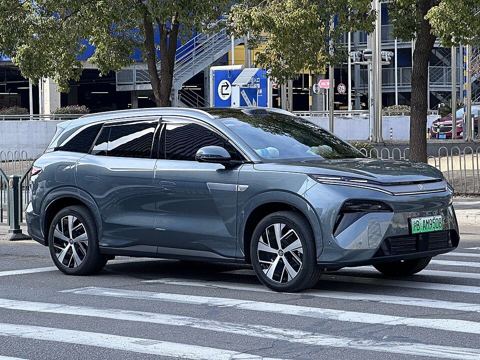
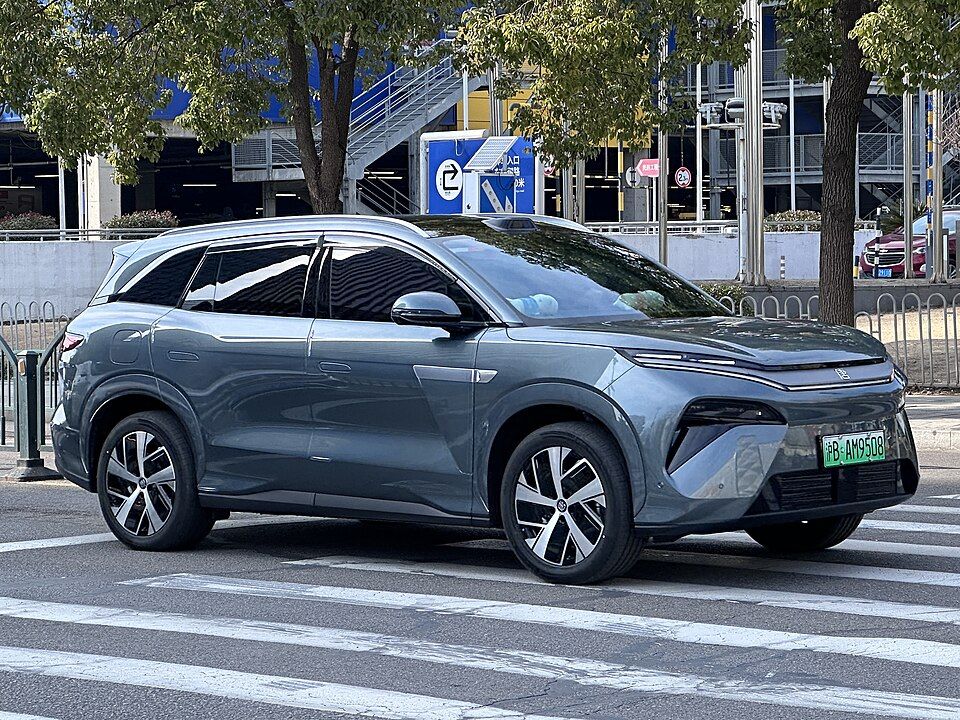
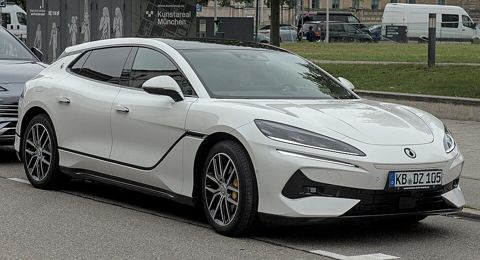
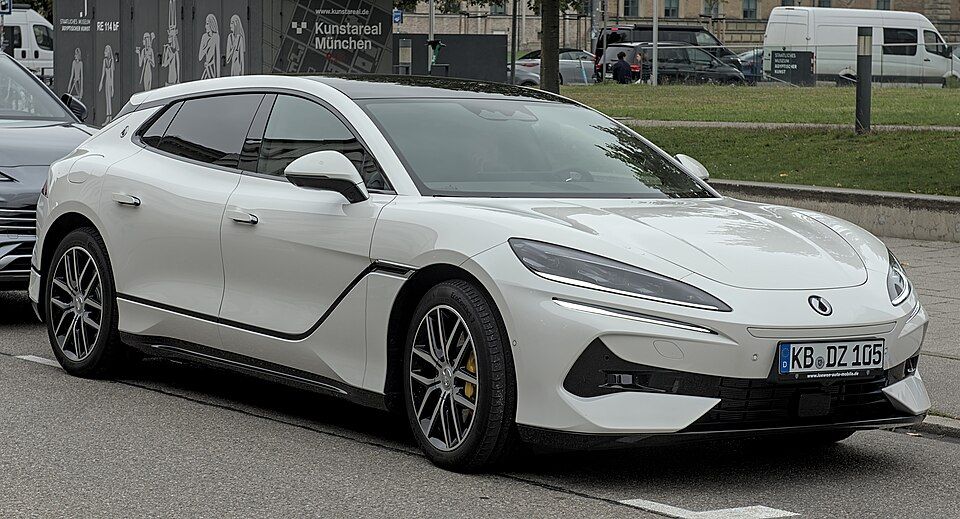
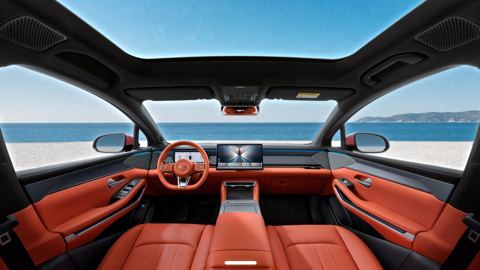
IM5: the $68,000 sedan with 655 km of range and 396 kW charging
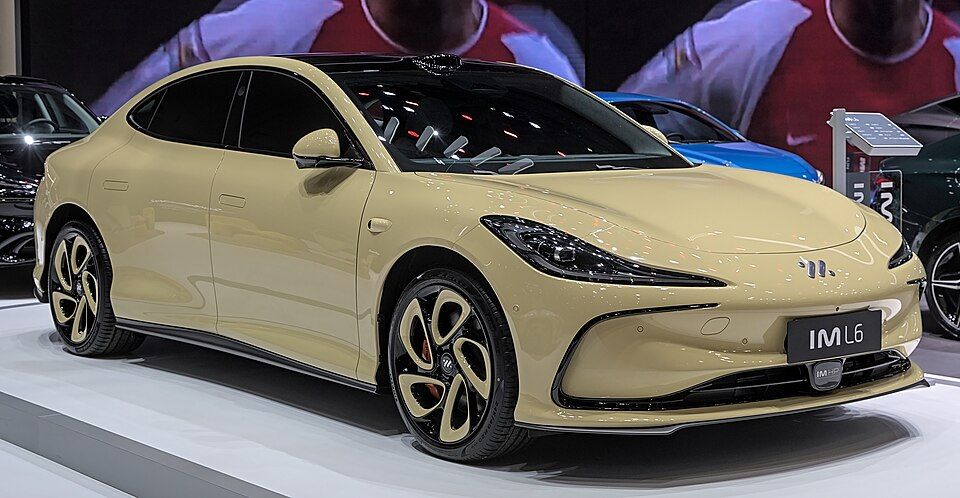
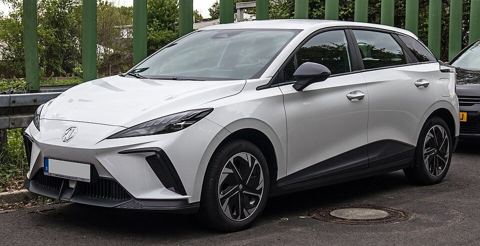
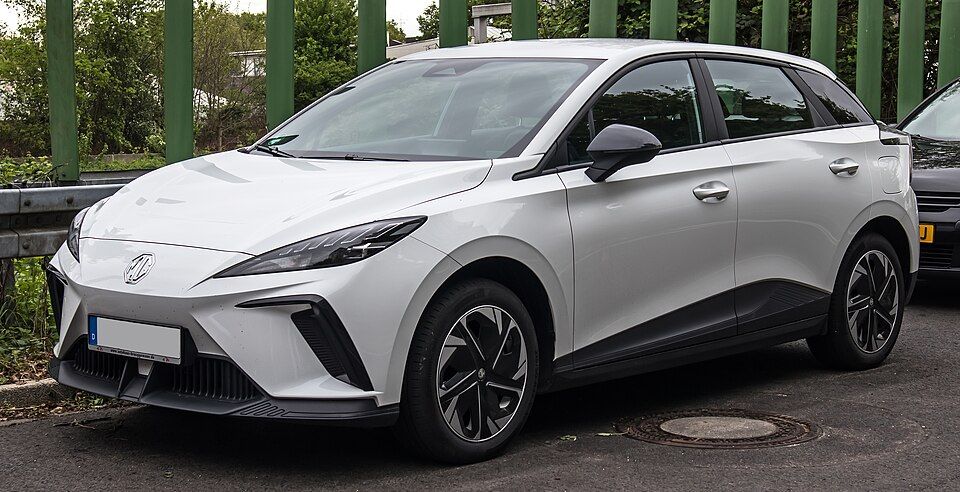
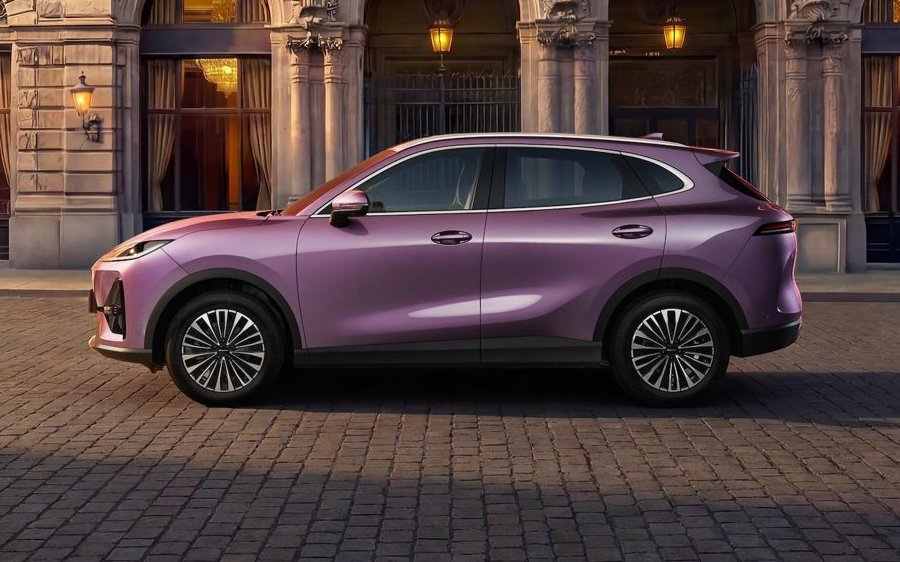
An IM5 electric sedan on display (shown with its Chinese-market IM L6 badge)
Photo: Alexander-93, CC BY-SA 4.0, via Wikimedia Commons. May show an overseas version.

Why it matters: The Platinum is the one to look at. A Tesla Model 3 Premium Long Range goes further on a charge (750 km claimed) and a Polestar 2 matches it, but neither charges anywhere near as fast, and their prices are before on-road costs while the IM5's is drive-away. The catches: only the fastest public chargers, the 350 kW units, get near that 396 kW, and there aren't many of them yet. At home it charges like any other EV. The cheaper Premium misses out on the fast-charging hardware altogether. IM is also a new badge here with no track record yet, so resale value is a guess. If you drive long distances and want a big, quick sedan, it deserves a test drive alongside the Model 3.

Read the full story

The IM5 is the big electric sedan from MG's premium IM brand, and on paper it does things cars at this price usually can't. The Platinum, at $67,990 drive-away, pairs a 100 kWh battery with a claimed 655 km of range and an 800-volt system that can take up to 396 kW from a fast charger: MG says 30 to 80% takes about 15 minutes. It makes 300 kW at the rear wheels and reaches 100 km/h in 4.9 seconds. Below it, the Premium ($60,990 drive-away) has a 75 kWh battery, 490 km of range and slower 153 kW charging; above it, the all-wheel-drive Performance ($77,990) hits 100 km/h in 3.2 seconds with 575 km of range. Every version is 4.93 m long, has a 457-litre boot, can tow 1,500 kg and carries a 7-year, unlimited-kilometre warranty.

Claimed range, sedans around $60–70k (km)
  1. Model 3 LR750
  2. Polestar 2 LR659
  3. IM5 Platinum655
  4. Kia EV4 Earth612
  5. BYD Seal570

Source: MG Motor Australia (IM5 brochure and offers page), checked 15 Nov 2026; NRMA Open Road IM5 review
Open this story on its own page ›

Charging and powerV2G-Key: an Australian idea to power your home from your EV without a $6,000 charger
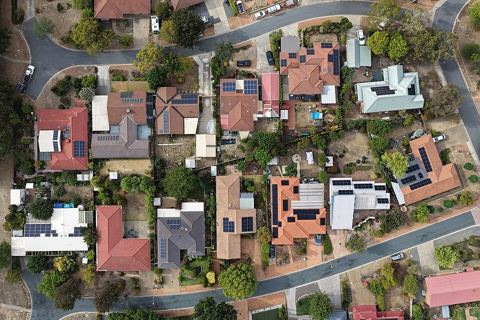
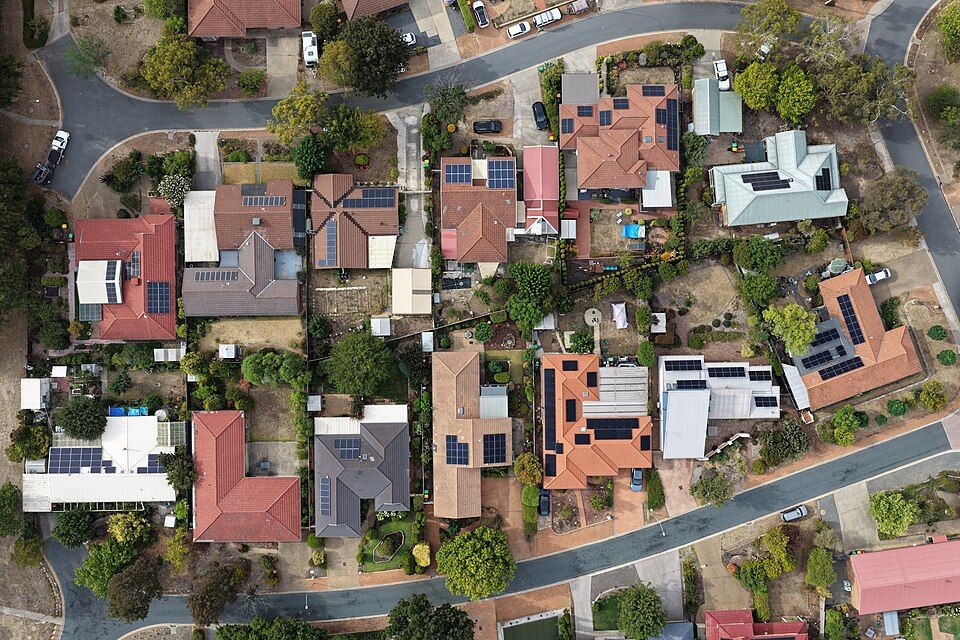
Rooftop solar panels on a house
Photo: Benlisquare, CC BY-SA 4.0, via Wikimedia Commons.

Why it matters: If it works as described, it would remove the biggest cost in vehicle-to-grid for the many homes that already have solar. But several things are still unknown. Merge hasn't published a price, named the cars it will work with, or listed any electrical or network approvals, and most networks require approved equipment before anything can export. The real bottleneck is also unchanged: the carmaker has to allow the car's battery to be used this way. Merge's answer is independent insurance cover if a carmaker or inverter maker refuses a warranty claim because of V2G use, though it doesn't name the insurer. It's one to watch, not one to plan a purchase around yet. What works today is in our V2G guide.

Australian company Merge Energy is developing V2G-Key, a wallbox that would let an EV run a house and export to the grid through the solar inverter the home already has. Today that takes a two-way DC charger costing about $6,000 to $11,000 before installation. V2G-Key takes a different route: the car charges on ordinary AC power, then sends power back as DC into the inverter's solar inputs, so the inverter treats the car like another set of solar panels. Merge calls this 'synthetic solar' and says the approach is patent-pending and will cost 'a fraction' of today's two-way chargers. It is not on sale. Merge is taking registrations for a paid customer trial next year and targets an Australia-wide launch in the third quarter of 2027.

Source: Merge Energy: V2G-Key (product page, read 15 Nov 2026)

Open this story on its own page ›

BreakthroughsChery's solid-state battery: 1,500 km is a goal, not a car you can buy
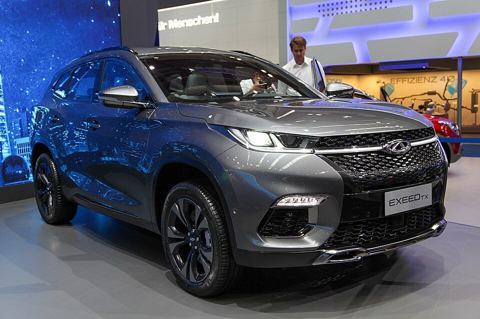
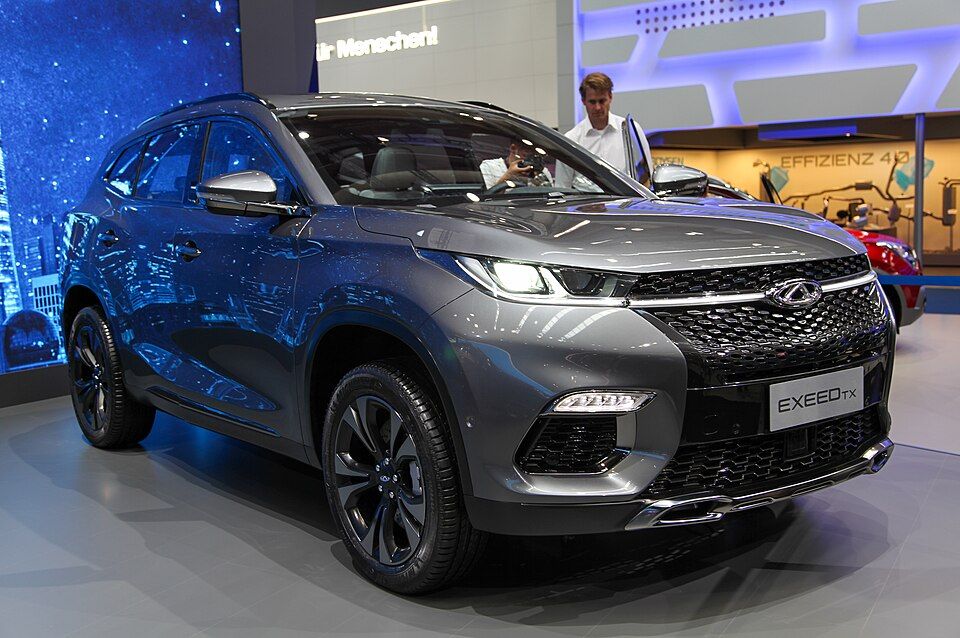
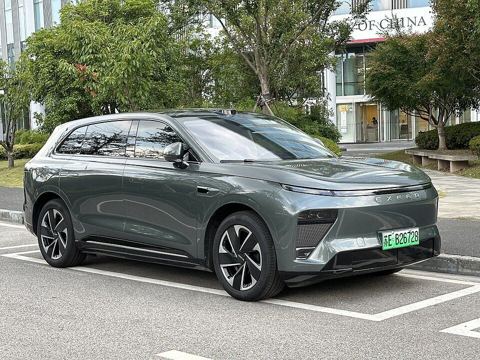
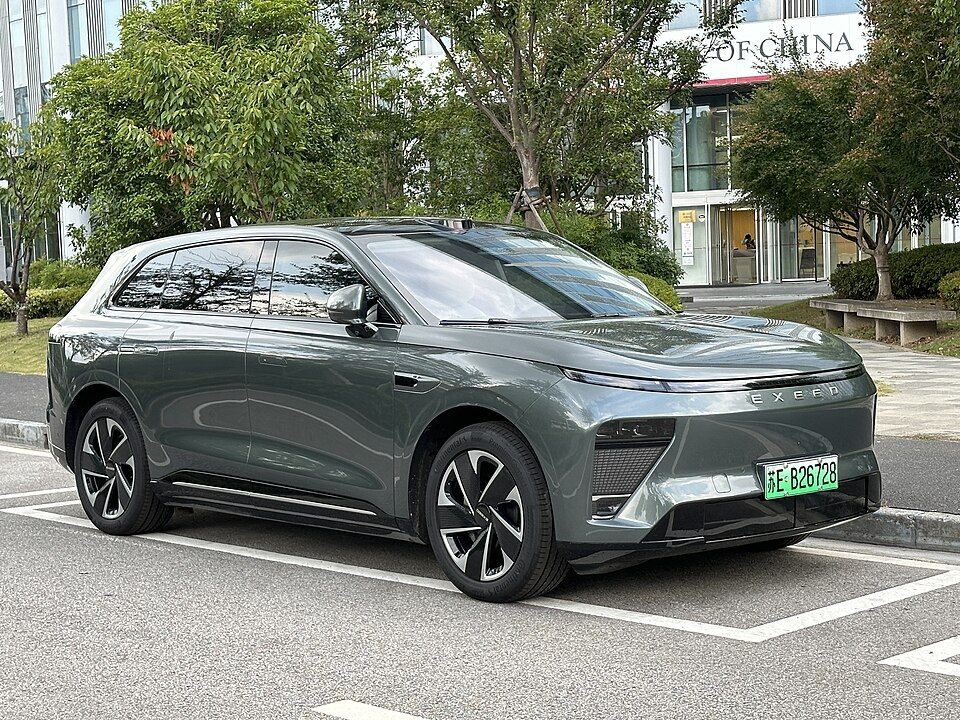
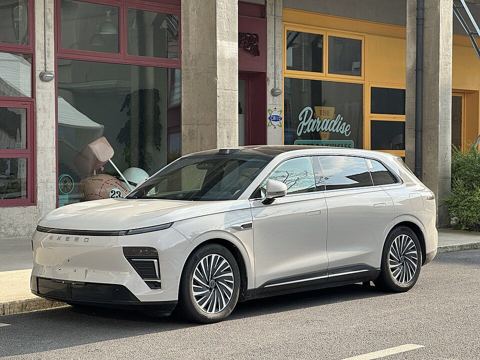
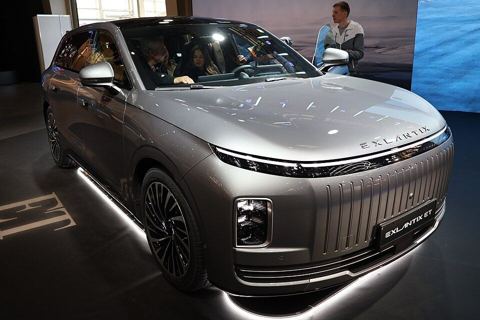
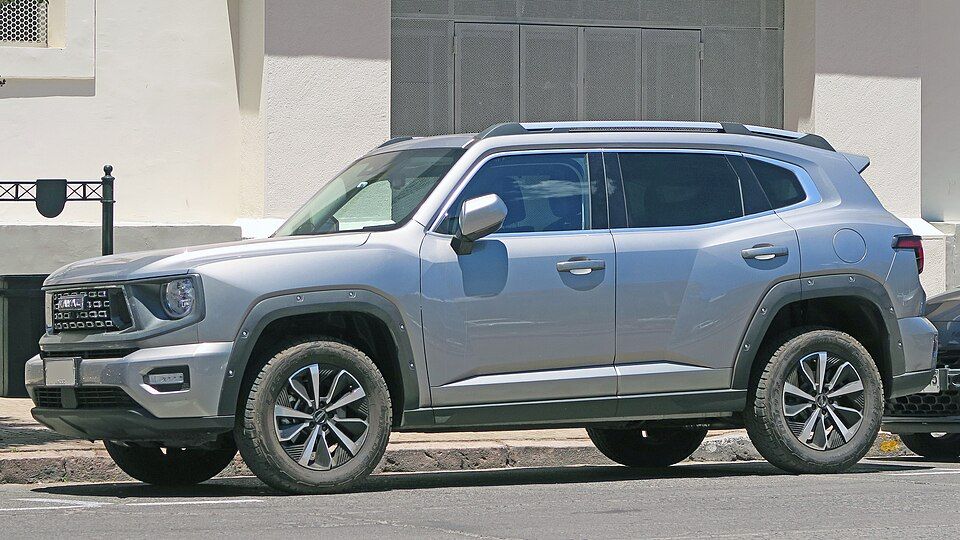
An Exeed SUV. Exeed is Chery's premium brand, and its ES8 will test the solid-state cells
Photo: Alexander Migl, CC BY-SA 4.0, via Wikimedia Commons.

Why it matters: Solid-state packs could mean much more range for the same weight, but CATL, BYD and Chery are all talking small-scale production around 2027. Don't hold off buying today's EV waiting for it.

Chery has shown 400 Wh/kg solid-state cells and says a pilot production line should start in 2027, with vehicle testing (in an Exeed ES8) from 2027. The headline 1,500 km figure comes from a separate 600 Wh/kg cell still in development.

▶ Chery's solid-state EV with 1,500 km range · The Electric Viking Watch on YouTube

Source: CarNewsChina

Open this story on its own page ›

Charging and powerHome EV chargers now start at about $770: Autel, Tesla, Evnex and Zappi prices compared
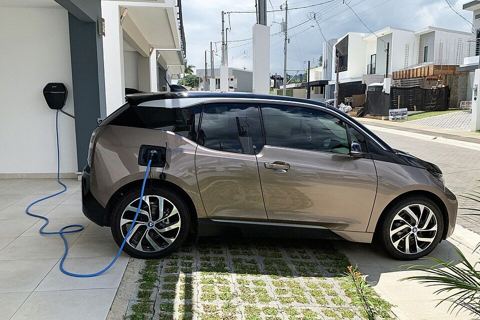
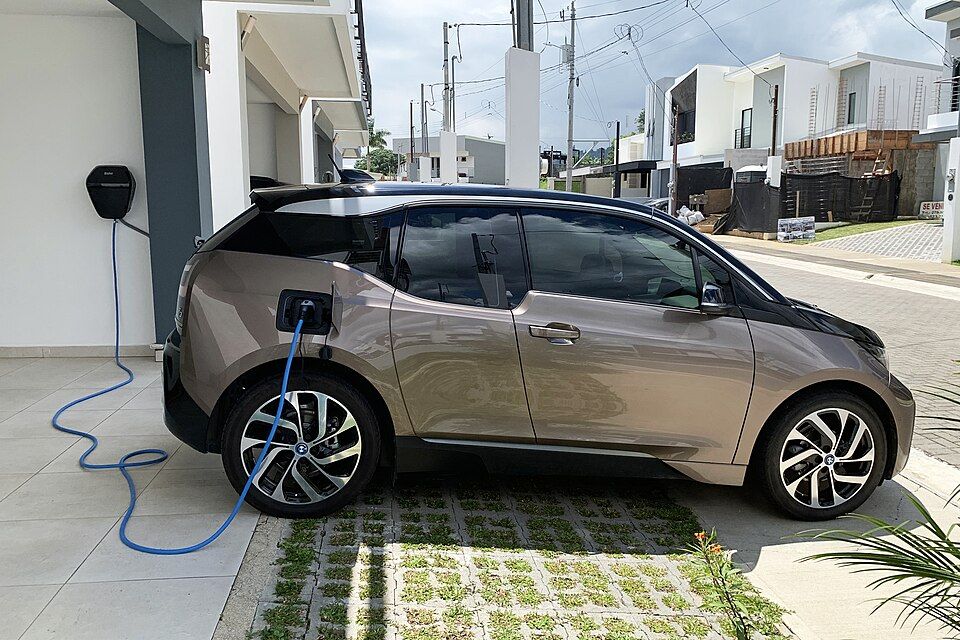
An electric car plugged into a wall-mounted home charger in a carport
Photo: Mariordo (Mario Roberto Durán Ortiz), CC BY-SA 4.0, via Wikimedia Commons.

Why it matters: For most homes the charger is now the cheaper part of the job: installation often costs as much again or more, and EVSE, for example, lists a standard single-phase install at $1,070, or $1,320 with solar set-up. A 7 kW unit is plenty for most drivers, putting back roughly 300 km overnight, so you rarely need to pay for three-phase. Queenslanders also get full speed now: since 1 October, Energex and Ergon no longer require a network device or a 20 A (about 4.6 kW) limit on single-phase home chargers. Prices are hardware only, as listed on 14 November, and the AC Lite was showing out of stock.

JET Charge, the main Australian partner for Autel chargers, lists the Autel MaxiCharger AC Lite (7.4 kW, 5 m tethered cable) at $770, the same as its sale price for Tesla's Gen 3 Wall Connector (usually $800). Autel's AC Single starts from $968 and myenergi's solar-smart Zappi is on sale at $1,400, down from $1,595. New Zealand maker Evnex sells its E2 Flex for $799 on its own site. Autel previewed a cheaper smart home charger, the AC Compact 2, in Sydney in June, aiming for under $700, but it was due in October pending Australian certification and isn't on JET Charge's store yet. JET Charge also says it no longer installs home chargers itself; it now refers you to a local electrician.
Home charger hardware prices in Australia, 14 November 2026 ($, before installation)
  1. Autel AC Lite770
  2. Tesla Gen 3770
  3. Evnex E2 Flex799
  4. Autel AC Single968
  5. Zappi (sale)1,400

Source: JET Charge store: home EV chargers (Autel, Tesla, myenergi), checked 14 Nov 2026; also Evnex Australia, Energex and Zecar

Open this story on its own page ›

Charging and powerBuying an EV charger at Bunnings? What to check before you do
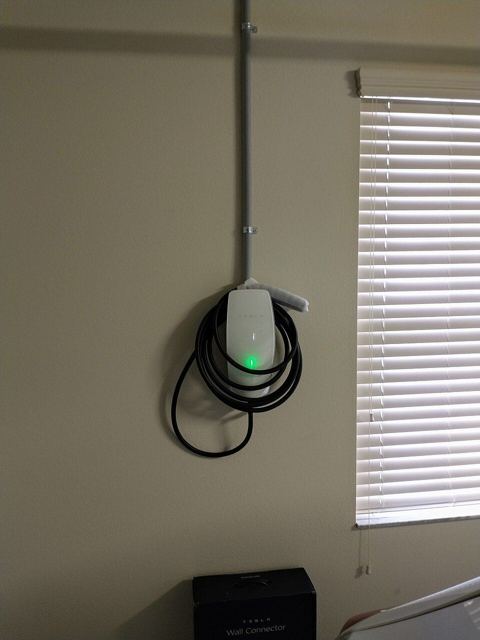
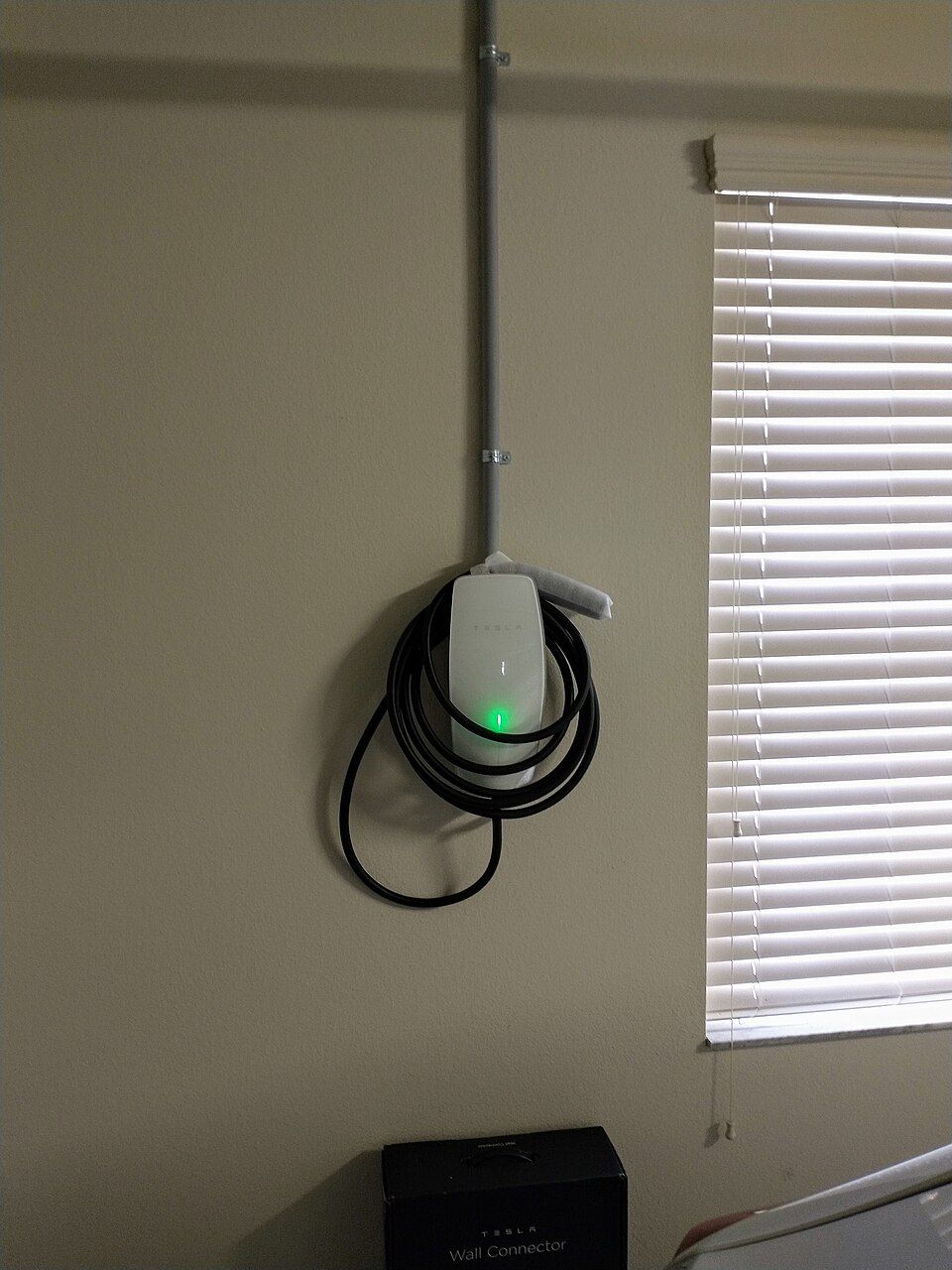
A Tesla Wall Connector home charger mounted on a garage wall
Photo: Whoisjohngalt, CC BY-SA 4.0, via Wikimedia Commons.

Why it matters: The Tesla Wall Connector is a well-proven charger, and Bunnings is often the cheapest place to buy it, so there's no reason to avoid it there. The things to check are elsewhere. Online listings tagged 'Marketplace' are sold by other sellers: Bunnings' price guarantee doesn't apply, and warranty and returns are the seller's. Lesser-known brands have shorter warranties (Deta quoted one year, against Tesla's four). Installation is where most of the cost and risk sits, so let your electrician pick the cable size and breaker for your home, and get a second quote before you book the base package. A cheaper portable charger on a 15 A socket is enough for many drivers; our range calculator shows whether yours is one of them.

Bunnings now sells home EV chargers in store and online. The headline item is Tesla's Gen 3 Wall Connector at $750, a little under its usual $800 and below JET Charge's $770 sale price, alongside DeWalt's 7 kW charger at $899, a Deta 7 kW unit at $379 and special-order brands such as SEVR. Bunnings can also arrange installation from $699 at selected stores, covering a basic job in the same building as your switchboard, with up to 10 m of cable, a 40 A breaker and Wi-Fi setup. Switchboard upgrades, longer cable runs, trenching and asbestos are extra, and SolarQuotes was also charged an $84 attendance fee on its quote. Not every brand has lasted: Deta and Arlec wall chargers are no longer sold in South Australia, where new chargers must meet state smart-charging rules.

Home EV chargers at Bunnings, 14 November 2026 ($, hardware only)
  1. Deta 7 kW379
  2. SEVR X3 7 kW599
  3. Tesla Gen 3750
  4. DeWalt 7 kW899

Source: Bunnings (product listings and EV charger installation page), checked 14 Nov 2026; SolarQuotes: Buying EV chargers from Bunnings (updated Oct 2026)

Open this story on its own page ›

Free monthly newsletter

The EV Pick Monthly

The month's new cars, prices, battery breakthroughs and power deals for Australians, in one short email. Five-minute read, once a month.

One email a month. Unsubscribe any time. Privacy · Past issues

New modelsNext Honda CR-V goes hybrid-only, with a new platform arriving in 2027
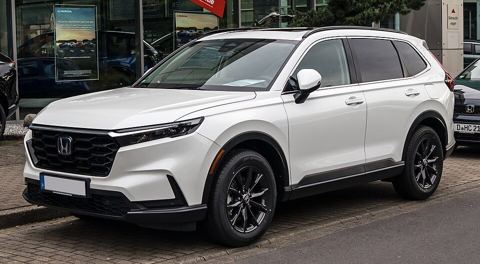
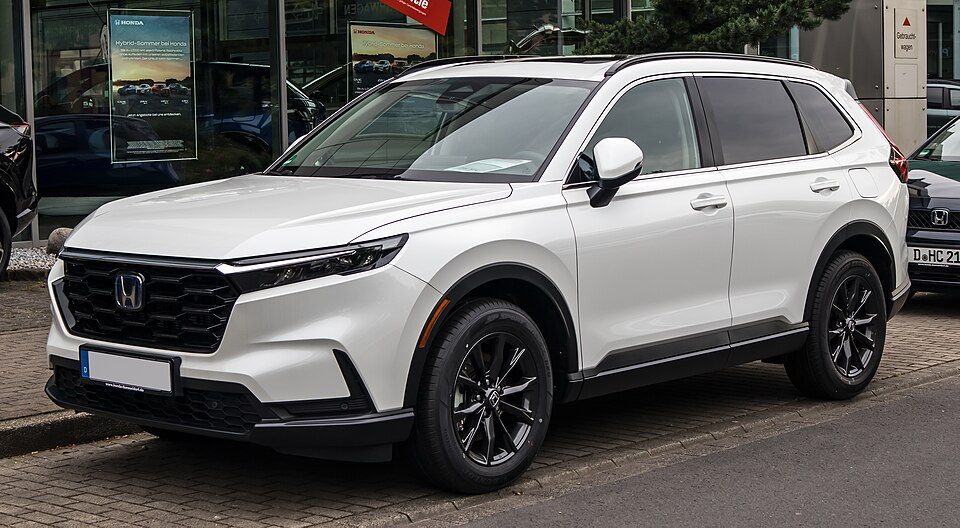
The current Honda CR-V hybrid, which the new hybrid-only model will replace
Photo: © M 93, CC BY-SA 3.0 de, via Wikimedia Commons. May show an overseas version.

Why it matters: Australia gets its CR-Vs from Thailand, not North America, and Honda hasn't said when Thai production of the new model starts. Last time, Thai production began about a year after Canada's, which would point to late 2027 at the earliest, though Honda hasn't confirmed anything for Australia. With the RAV4 already hybrid-only, two of the best-known mid-size SUVs will both be hybrid as standard. If you're buying now, today's CR-V e:HEV is a proven hybrid from $49,900 drive-away; waiting gets you the new model, but at a price Honda hasn't announced.

Honda has confirmed the seventh-generation CR-V, badged 2028 in the US, will arrive next year with hybrid power only: no petrol-only version. It uses a new fifth-generation two-motor Honda Hybrid system, a new electric all-wheel-drive unit in place of the current mechanical driveshaft to the rear wheels, and an all-new, lighter platform. Honda says it aims to improve fuel efficiency by more than 10%, but hasn't said compared with what, and hasn't released photos, specs or prices yet, only a teaser of the new CR-V badge. Reports from Japan's Nikkei say production starts in Canada in February 2027.

Source: Honda (US) news release, 12 Nov 2026; also Cars.com, InsideEVs and Cars24 (Australian supply from Thailand)

Open this story on its own page ›

MarketTesla says it now has 200,000 customers in Australia
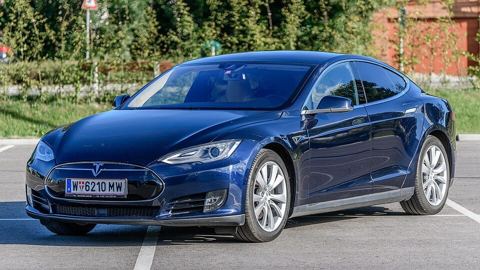
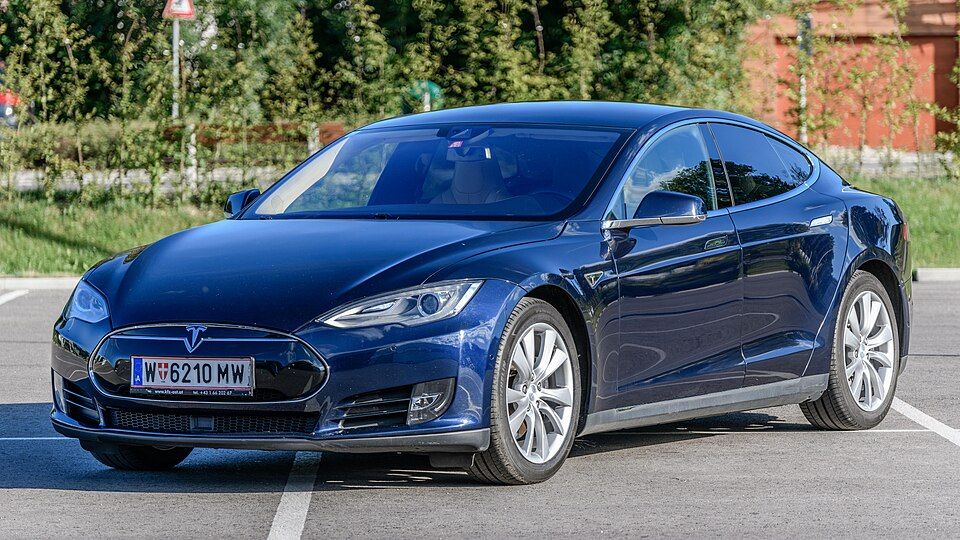
Blue Tesla Model S sedan, the model Tesla first delivered in Australia
Photo: Granada, CC BY-SA 4.0, via Wikimedia Commons. May show an overseas version.

Why it matters: With that many Teslas on the road, there's now a big choice of used Model 3s and Model Ys. If you're shopping second-hand, check the battery health, service history and which software and charging features come with the car before you buy.

Tesla says it has welcomed its 200,000th customer in Australia, marking the milestone in a post on X this week. It comes nearly 12 years after Tesla handed over its first Australian cars, nine Model S sedans, at an event in Sydney in December 2014. The figure is Tesla's own count of customers, not registration data or a year's sales.

Source: TeslaNorth: Tesla welcomes its 200,000th owner in Australia (11 Nov 2026), citing Tesla's post on X; also reported by The Driven

Open this story on its own page ›

Charging and powerFuel price rises added $442 a year to running a small petrol SUV, about $48 for an EV, says new analysis
An electric car plugged into a charger
Photo: Tom Ackroyd, CC BY-SA 4.0, via Wikimedia Commons.

Why it matters: The gap comes mostly from charging at home: the analysis assumes 80% home charging on an EV tariff at 8c per kWh and 20% public charging at 70c per kWh. If you'd pay more at home, or rely on public chargers, your saving is smaller, so check your own power plan before counting on these numbers. The EVC is the EV industry's peak body, and it used the report to call for keeping the FBT exemption and the New Vehicle Efficiency Standard.

Petrol and diesel prices rose 23.6% in the year to September and electricity prices rose 12.8%, according to ABS figures cited in new analysis by Endgame Analytics for the Electric Vehicle Council. It estimates the fuel rise added about $442 a year to running a small petrol SUV over 15,000 km, while the power price rise added about $48 to charging an electric car for the same distance, and that fuel alone contributed 0.77 percentage points of Australia's 4.3% annual inflation. The EVC also modelled a what-if in which all household driving had been electric: inflation would have been about 0.6 percentage points lower, which it calls an illustrative scenario, not a forecast.

Extra running cost per year from price rises in the 12 months to September, small SUV, 15,000 km ($)
  1. Petrol SUV442
  2. Electric car48

Source: Electric Vehicle Council: EVs are helping fight fuel-driven inflation, new analysis finds (10 Nov 2026); also reported by GoAuto

Open this story on its own page ›

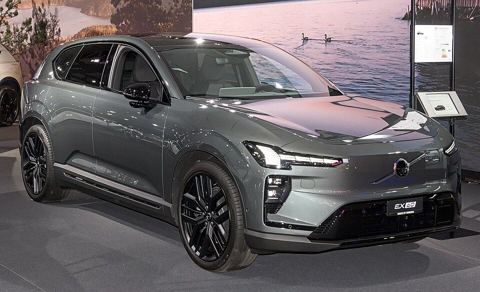
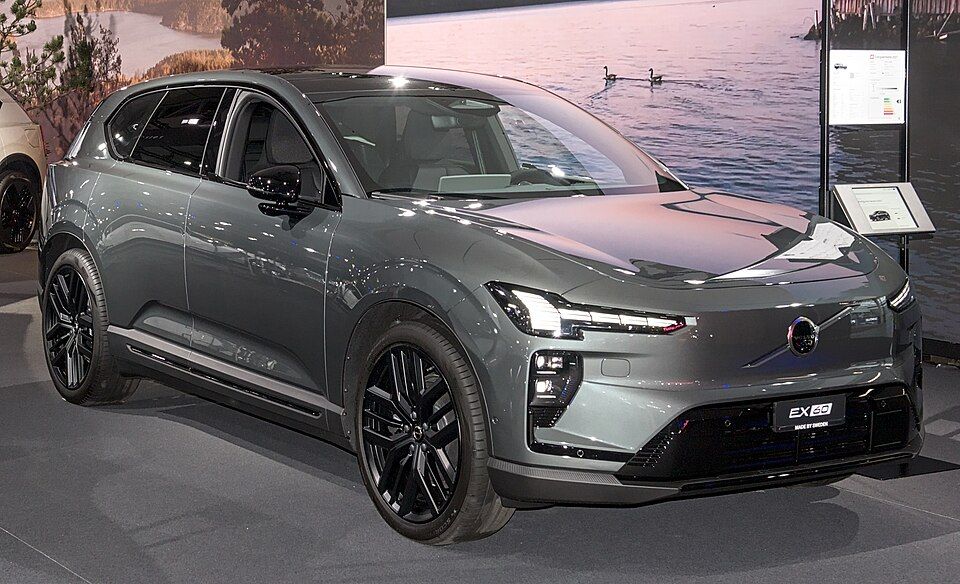
New modelsVolvo EX60 deliveries in Australia pushed back to the second half of 2027
A Volvo EX60 electric SUV on display
Photo: Alexander Migl, CC BY-SA 4.0, via Wikimedia Commons. May show an overseas version.

Why it matters: The delay matters most for novated leases on the P6. It's under the $91,661 luxury car tax threshold, so it's free of fringe benefits tax today, but from 1 April 2027 EVs over $75,000 are proposed to get only a 25% discount, and Cars24 notes the car generally has to be first held and used before that date to keep the full exemption. The P10 is already over the threshold. If you need a mid-size electric luxury SUV sooner, the BMW iX3 is a close rival.

Volvo's new electric mid-size SUV, priced from $86,990 (P6 RWD) and $101,990 (P10 AWD) plus on-road costs when orders opened in May, was due to start arriving here in late 2026. CarExpert and Cars24 now report that Australian cars won't come until the second half of 2027 at the earliest, from Model Year 2028 production, and CarExpert says some buyers may wait until late 2027 or early 2028. Both put it down to a slower-than-planned production ramp-up in Sweden and Volvo putting European buyers first, with around 50,000 orders taken; Volvo has not confirmed an exact Australian arrival date.

Source: CarExpert: Australian Volvo EX60 deliveries delayed until late 2027 (9 Nov 2026); also Cars24 (10 Nov 2026)

Open this story on its own page ›

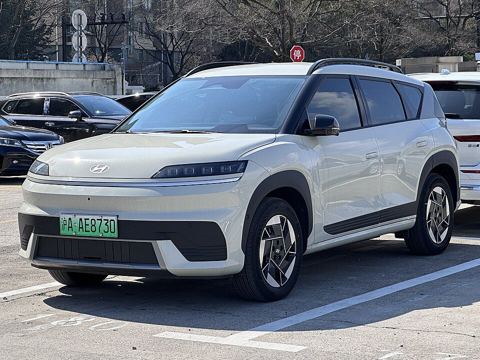
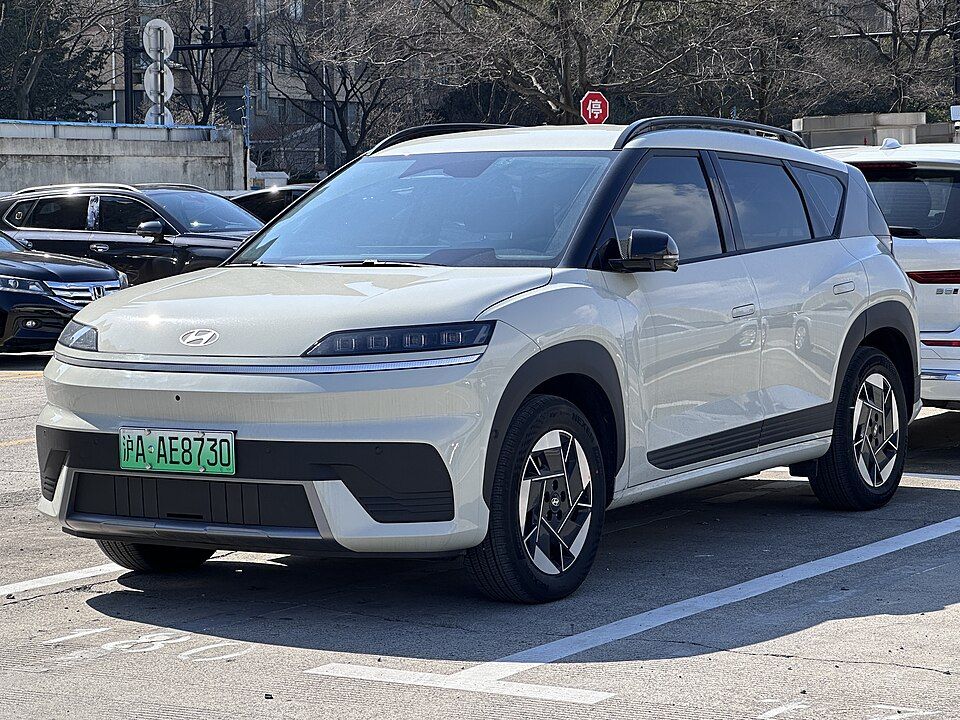
MarketEvery Hyundai Elexio in Australia recalled for sudden braking, and deliveries paused
Hyundai Elexio electric SUV in white
Photo: JustAnotherCarDesigner, CC0, via Wikimedia Commons. May show an overseas version.

Why it matters: If you own an Elexio, contact an authorised Hyundai dealer to arrange a loan car until the fix is ready, or call Hyundai Customer Care on 1800 186 306. Buyers still waiting for delivery can get a loan car too. If you were about to order one, expect to wait until the fix arrives, so it's worth comparing other mid-size electric SUVs.

Hyundai Australia has recalled all 1,619 Elexio electric SUVs here, including cars still waiting to be delivered, because the Forward Collision-Avoidance Assist system can brake suddenly when there's no need to, which could raise the risk of a rear-end crash. 944 had reached owners by the end of October. The permanent fix needs new hardware and a software update, which Hyundai estimates will be ready in February 2027 but says that timing may change, and it has paused Elexio deliveries until then.

Source: CarExpert: Hyundai Elexio recalled, deliveries halted (9 Nov 2026); also reported by GoAuto

Open this story on its own page ›

Legends: the cars that never die

The cars that changed everything, and still turn up for sale today.

What's on the way

Every new EV, hybrid and brand heading to Australia, with timing and price hints.

See what's coming ›

Common questions

How often is EV Pick news updated?

Every week or so. Each item links to the original source, and we explain what it means for people buying in Australia.

Can I suggest a story?

Yes, use the contact page. Tips on new models, prices and charging deals are welcome.

More guides

You might also like

See all guides

How we work it out, and our sources

Weekly cost = the car's energy use × 250 km × your electricity or fuel price, with 90% of charging at home. Prices are list prices at November 2026; check with the dealer.

  • Electricity: 2026–27 default rates (AER, Victorian Default Offer, state retailers). Public charging: Sydney network prices, July 2026.
  • Petrol and diesel: capital-city daily averages from state government price feeds, via FuelRadar, 12 November 2026. Diesel for Hobart, Canberra and Darwin is estimated from the national fall.
  • Cars: maker figures via CarExpert, Drive, CarsGuide and EV Central. Plug-in electric range is taken as 80% of the claim.
  • Servicing: published capped prices; marked as an estimate where not yet published (CarExpert comparison).
  • Tyres: an EV set lasts about 35,000 km, a petrol or hybrid set 50,000 km (RACV); prices from Gridly.
  • Home charger: about $2,000 installed ($1,000–$3,000). Novated leases: PwC summary.

Was this page useful?