
Does hard driving wear out an EV battery? What the new study actually found
Why it matters: Driving smoothly and charging at home are the two easiest ways to make a battery last, and both save money too. Don't panic about the 53% figure: 1,000 full cycles is very roughly 300,000 km or more, and the worst style in the study was linked to stop-start traffic and heavy loads, not steady highway driving. Our guide covers what really wears a battery and what to do about it.
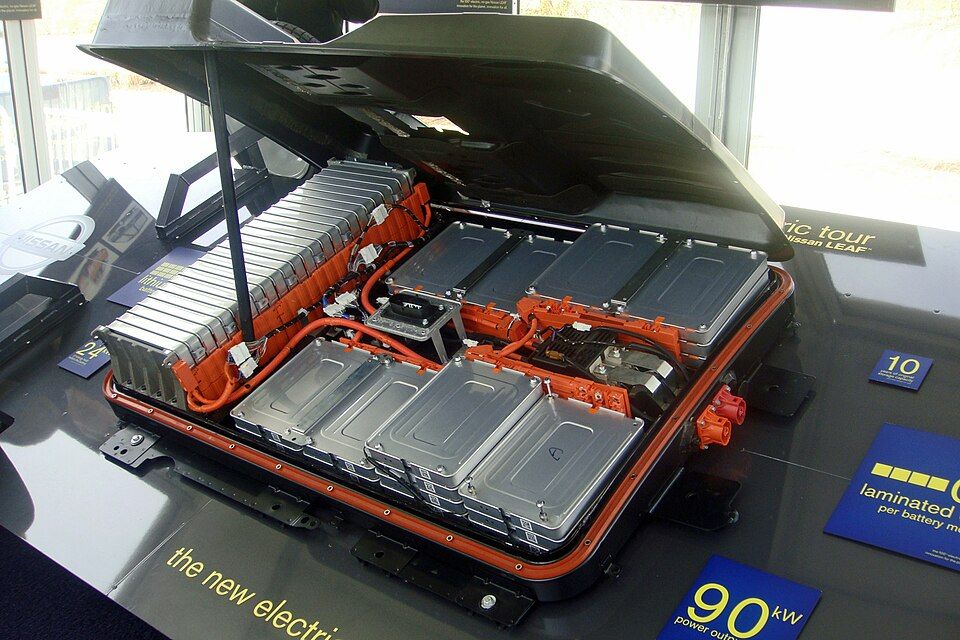
A study from Shanghai Dianji University, published in Scientific Reports in August, used a year of driving data from 15 electric cars in Guangzhou to estimate how driving style affects battery ageing. The most battery-stressing style drew an average current of 66 amps, about three times eco driving's 21 amps, and the researchers estimate it caused 18.4 times the short-term ageing stress. Projected over 1,000 charge cycles, their model predicts 53% capacity loss for that style against 21% for smooth driving, about 2.5 times as much. Those long-term figures are model projections, not measured results, and the study is small. Separately, fleet data from Geotab on more than 22,700 EVs found cars that rely heavily on fast chargers above 100 kW lose up to 3% of capacity a year, about double cars charged mostly at home.
- Smooth (eco) driving21.15
- Most battery-stressing driving53.22
Source: Cheng, Gu and Gao, Scientific Reports, 14 August 2026. Model projections from a year of data from 15 EVs in Guangzhou, not measured results.
Source: Scientific Reports
More EV news
- IM5: the $68,000 sedan with 655 km of range and 396 kW charging 15 November 2026
- V2G-Key: an Australian idea to power your home from your EV without a $6,000 charger 15 November 2026
- Home EV chargers now start at about $770: Autel, Tesla, Evnex and Zappi prices compared 14 November 2026
- Buying an EV charger at Bunnings? What to check before you do 14 November 2026
- Next Honda CR-V goes hybrid-only, with a new platform arriving in 2027 13 November 2026
The EV Pick Monthly
The month's new cars, prices, battery breakthroughs and power deals for Australians, in one short email. Five-minute read, once a month.
One email a month. Unsubscribe any time. Privacy · Past issues
More guides
You might also like
How we work it out, and our sources
Weekly cost = the car's energy use × 250 km × your electricity or fuel price, with 90% of charging at home. Prices are list prices at November 2026; check with the dealer.
- Electricity: 2026–27 default rates (AER, Victorian Default Offer, state retailers). Public charging: Sydney network prices, July 2026.
- Petrol and diesel: capital-city daily averages from state government price feeds, via FuelRadar, 12 November 2026. Diesel for Hobart, Canberra and Darwin is estimated from the national fall.
- Cars: maker figures via CarExpert, Drive, CarsGuide and EV Central. Plug-in electric range is taken as 80% of the claim.
- Servicing: published capped prices; marked as an estimate where not yet published (CarExpert comparison).
- Tyres: an EV set lasts about 35,000 km, a petrol or hybrid set 50,000 km (RACV); prices from Gridly.
- Home charger: about $2,000 installed ($1,000–$3,000). Novated leases: PwC summary.
Printed from EV Pick Australia · evpick.com.au. Prices and costs are estimates; check with the dealer. © 2026 EV Pick (T. Crouch). For personal use only; not to be copied, republished or sold without permission.
Was this page useful?
Follow EV PickNew cars and price drops in your feed
Glad this helped ☕
If EV Pick saved you time or money, a coffee helps keep it independent. Every dollar goes back into improving the site.
No pressure. EV Pick stays free either way.