
Xpeng G6What does it cost to run?
About $13.12–$20.01 a week to charge at home for 250 km. That's the Xpeng G6 Standard Range, cheapest in Tasmania and dearest in South Australia. A full charge of its 68.5 kWh battery costs $16.99 to $28.70 at home.
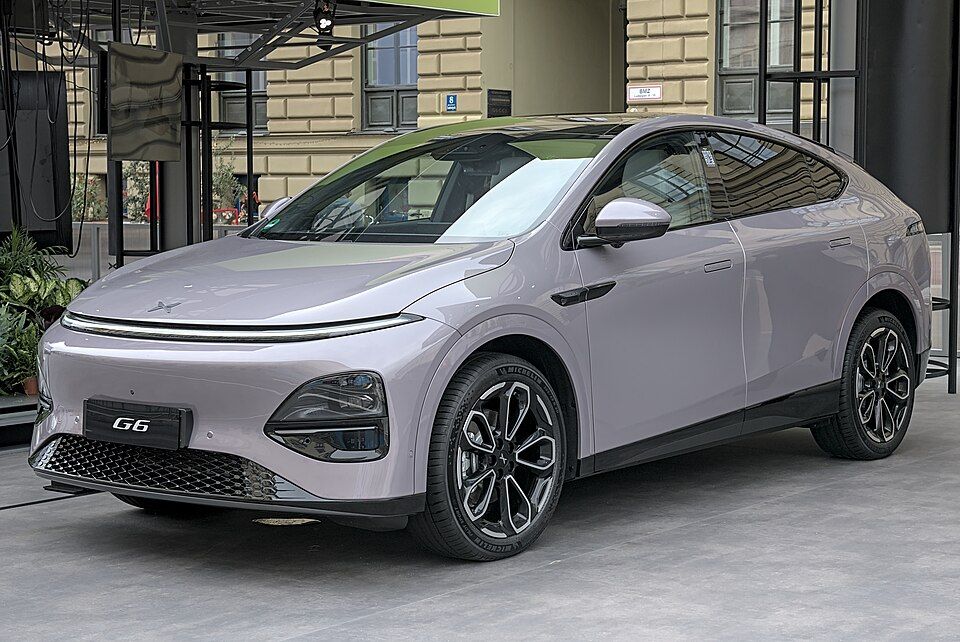
Charging
Battery80.8 kWhRange (claimed)525 kmHome wall charger12 hoursPower point34 hoursFast charge, max451 kWPerformance
0–100 km/h–Power210 kWTorque440 NmDriveRWDPrice
From$56,800 + on-roadsCharging times are from empty to full and approximate. Is 525 km enough for how you drive? Work out how much range you need › Fast charging away from home costs more than charging at home. What each public charging network charges › Towing: rated to tow 1,500 kg braked. Confirm the exact car's rating before you tow. Towing with an EV: range, tow ball limits and every car's rating › Maker's claimed figures. A dash means the figure isn't published for the Australian version.
Photo: Alexander-93, CC BY-SA 4.0, via Wikimedia Commons. May show an overseas version or a related model.
Running costsAbout $16.79 a week in NSW · cheapest in TAS ($13.12)
What would it cost you?
Your detailsYour state · 250 km a weekChange
Your new solar system
Panels power your house as well as the car, so we only add the car's part of the cost.
Your current car
About the solar figure: it's an average. Cloudy days, winter and charging at night all mean more power from the grid, so your real cost will vary through the year.
Fine-tune the numbers
Costs in every state
Per week assumes 250 km with 90% of charging at home. Cheapest state in green. *Per year assumes 15,000 km, all home charging.
Xpeng G6 Standard Range
| State | Full charge | Per week | Per year* |
|---|---|---|---|
| NSW | $23.22 | $16.79 | $910 |
| Victoria | $19.45 | $14.57 | $763 |
| Queensland | $19.18 | $14.41 | $752 |
| South Australia | $28.70 | $20.01 | $1,125 |
| WA | $22.81 | $16.54 | $894 |
| Tasmania | $16.99 | $13.12 | $666 |
| ACT | $25.34 | $18.03 | $993 |
| NT | $20.62 | $15.26 | $808 |
Xpeng G6 Long Range
| State | Full charge | Per week | Per year* |
|---|---|---|---|
| NSW | $27.39 | $16.79 | $910 |
| Victoria | $22.95 | $14.57 | $763 |
| Queensland | $22.62 | $14.41 | $752 |
| South Australia | $33.86 | $20.01 | $1,125 |
| WA | $26.91 | $16.54 | $894 |
| Tasmania | $20.04 | $13.12 | $666 |
| ACT | $29.90 | $18.03 | $993 |
| NT | $24.32 | $15.26 | $808 |
Xpeng G6 AWD Performance
| State | Full charge | Per week | Per year* |
|---|---|---|---|
| NSW | $27.39 | $16.60 | $900 |
| Victoria | $22.95 | $14.41 | $754 |
| Queensland | $22.62 | $14.25 | $743 |
| South Australia | $33.86 | $19.78 | $1,112 |
| WA | $26.91 | $16.36 | $884 |
| Tasmania | $20.04 | $12.97 | $658 |
| ACT | $29.90 | $17.83 | $982 |
| NT | $24.32 | $15.08 | $799 |
Xpeng G6 AWD Performance Black Edition
| State | Full charge | Per week | Per year* |
|---|---|---|---|
| NSW | $27.39 | $16.60 | $900 |
| Victoria | $22.95 | $14.41 | $754 |
| Queensland | $22.62 | $14.25 | $743 |
| South Australia | $33.86 | $19.78 | $1,112 |
| WA | $26.91 | $16.36 | $884 |
| Tasmania | $20.04 | $12.97 | $658 |
| ACT | $29.90 | $17.83 | $982 |
| NT | $24.32 | $15.08 | $799 |
Want to pay less than this? Compare EV electricity plans with cheap overnight rates, or see how to cut your charging bill ›
Compare versions4 versions side by side · 480–525 km range · fast charging 382–451 kW
Charging times are from empty to full and approximate.
| Variant | Price | Battery | Claimed range | Full charge, home wall charger | Full charge, power point | Max fast charge |
|---|---|---|---|---|---|---|
| Standard Range | $51,800 + on-roads | 68.5 kWh | 480 km | 10 hours | 29 hours | 382 kW |
| Long Range | $56,800 + on-roads | 80.8 kWh | 525 km | 12 hours | 34 hours | 451 kW |
| AWD Performance | $63,800 + on-roads | 80.8 kWh | 510 km | 12 hours | 34 hours | 451 kW |
| AWD Performance Black Edition | $66,800 + on-roads | 80.8 kWh | 510 km | 12 hours | 34 hours | 451 kW |
Is 525 km enough for how you drive? Work out how much range you need ›
Fast charging away from home costs more than charging at home. What each public charging network charges ›
Towing: rated to tow 1,500 kg braked. Confirm the exact car's rating before you tow. Towing with an EV: range, tow ball limits and every car's rating ›
Performance
Maker's claimed figures. A dash means the figure isn't published for the Australian version.
| Variant | 0–100 km/h | Power | Torque | Drive |
|---|---|---|---|---|
| Standard Range | 6.9 s | 190 kW | 440 Nm | RWD |
| Long Range | – | 210 kW | 440 Nm | RWD |
Owning one5-year cost from $66,249 · track record: Established · 7 yrs / unlimited km warranty
250 km a week in NSW, mostly charged at home. Scheduled service every 12 months or 20,000 km, averaging about $297 a visit (estimate, as pricing for this model is not yet published). Warranty: 7 yrs / unlimited km (battery 8 yrs / 160,000 km).
| Variant | On the road* | Home charger | Charging / yr | Servicing / yr | Tyres / yr | 5-year total |
|---|---|---|---|---|---|---|
| Standard Range | $55,800 | $2,000 | $873 | $297 | $520 | $66,249 |
| Long Range | $60,800 | $2,000 | $873 | $297 | $520 | $71,249 |
| AWD Performance | $67,800 | $2,000 | $863 | $297 | $520 | $78,201 |
| AWD Performance Black Edition | $70,800 | $2,000 | $863 | $297 | $520 | $81,201 |
What do "on the road" and "cost to own" mean?
Before on-road costs (+ on-roads): the car's list price only. You pay extra government charges and dealer fees on top when you buy.
On-road costs: stamp duty, first year's registration, compulsory third party (CTP) insurance, number plates and the dealer's delivery fee. They usually add $3,000–6,000 depending on the car and your state. Where a price is "before on-roads" we add about $4,000. See stamp duty and rego by state.
Drive-away: a price that already includes the on-road costs, so it's what you actually pay to drive the car home.
On the road price: the drive-away price, or the list price plus our on-road estimate.
Cost to own: everything you'd spend over the years you keep the car (5 unless you change it): the on the road price, plus a home wall charger for EVs (about $2,000, one-off), plus charging or fuel, scheduled servicing and tyres for every year. Divide it by the number of weeks to see what the car really costs you each week.
Match score (Pick my car): this is about fit, not quality. Each car that fits your answers is compared only with the other cars that fit, on eight things, and a car that does something less well than the others in that group scores lower on it, even if it's good at it. Change your budget or answers and the group changes, so the scores do too. The eight things: how much car the money buys (price, 20%), ANCAP safety rating (15%: a current rating counts in full, an expired one less, and a car ANCAP hasn't rated counts as middling), range (15%), performance (0–100 km/h, or power where no time is published, 10%), fast-charging speed (peak DC kW, 10%), warranty length (10%, with the battery warranty counted for cars that plug in), servicing and tyre costs (15%), and recalls and track record (5%: major recalls in Australia on our list count against a car (our recall list covers the bigger, well-reported ones, so a clean record here is not a guarantee), and models sold here for longer get a little credit). A figure we don't have counts as middling, not as bad. "Most car for my budget" ranks by this match score; "Lowest cost to own" ranks by cost and uses the score only to split near-ties.
Not included: yearly rego renewals and insurance after the first year (see what EVs and hybrids cost to insure), finance interest, and what the car is worth when you sell it. These vary too much by person and car to estimate fairly, and resale value is the biggest unknown, especially for newer brands.
Insurance: about $2,135 a year for comprehensive cover on the Xpeng G6 Standard Range, in Compare the Market's March 2026 survey for one example driver in Brisbane. Yours will differ, so get quotes before you buy. EV and hybrid insurance guide.
Thinking of a novated lease? See what the G6 would cost you on a lease, and how it compares with a car loan or paying cash.
Compare the Xpeng G6 with other cars
In our rankings: No. 7 of 31 family EVs · No. 21 of 35 EVs with LFP batteries · No. 38 of 57 electric cars under $60,000
Savings on the G6
Novated lease: qualifies. Every version is under the $91,661 limit, so it's free of fringe benefits tax, and under $75,000, so it keeps the full exemption under the changes proposed from April 2027.
See your lease saving on the G6 ›
Rebates: no state offers a purchase rebate on new EVs in 2026. Where an EV still costs less to put on the road:
- Queensland: 2% stamp duty on EVs up to $100,000 instead of 3% for a typical petrol car, about $520 less on the cheapest G6.
- NT: free rego for EVs until 30 June 2027.
- ACT: cheaper emissions-based rego for zero-emission cars.
Everywhere else you pay the same stamp duty and rego as a petrol car. Rules change often, so check with your state before you buy: stamp duty and rego by state · how the lease tax break works.
Reliability and track record
How we rate: under 2 years on sale here is "Too new to tell". A widely reported fault or repeated recalls is "Known issues". Otherwise it's "Established". We list documented problems with a source, not opinions. Single recalls that were fixed are listed but don't change the rating, as most models have some.
The Xpeng G6 has been on sale here for 2 years and our checks so far haven't turned up any widely reported faults. Like every car, it may still have had recalls, so check the official list.
About Xpeng
Tech-heavy EVs with fast charging. Who owns which car brand.
Tyres
Road tripsCharging stops and costs on big Australian trips
Using the Long Range's highway range of about 394 km. Tap a trip for the stops and costs.
RivalsTesla Model Y, BYD Sealion 7, Kia EV5
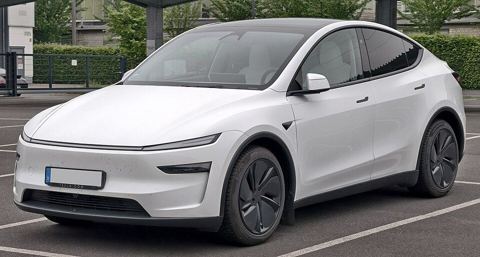
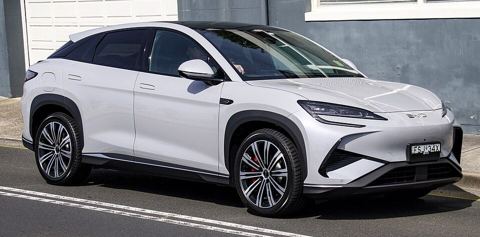
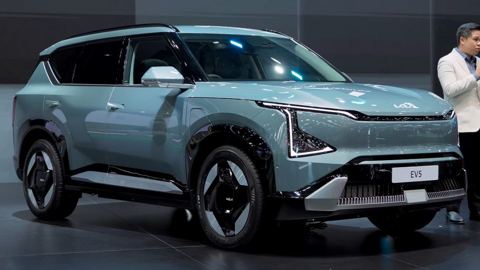
See all four side by side in Compare ›
More on rivals: head-to-heads and what's coming
Xpeng G6 head to head
- Xpeng G6 vs BYD Sealion 7
- Xpeng G6 vs Tesla Model Y
- Xpeng G6 vs Kia EV5
- Xpeng G6 vs Volvo EX30
- Xpeng G6 vs Smart #3
- Xpeng G6 vs Skoda Enyaq
Against hybrids and plug-ins
Worth waiting for?
These similar-sized cars at around the Xpeng G6's price are due in Australia within the next few months. Timing and prices aren't final, so only wait if you can.
- HQ EHS4 Electric
Due: Unveiling November 2026, deliveries from January 2027 · Price not announced yet - Mahindra XEV 9e Electric
Due: Not confirmed. CarsGuide understands it could arrive around the end of 2026; Mahindra Australia hasn't given a date · Price not announced yet - Jetour T1 and T2 Petrol and plug-in hybrid
Due: 2027. Both are now approved for sale in Australia · Price not announced yet
Cables and extrasCharging speeds, cables and handy gear
What to buy for the G6
- Home wall charger
- On normal single-phase home power it charges at up to 7.2 kW, so a 7 kW single-phase wall charger is all it can use. On three-phase power it can take up to 11 kW; that's only worth paying for if your home already has three-phase power.
- Portable charger
- Ask the dealer whether one comes with the car, as it varies by brand, dealer and model year. If not, a 10 A portable charger that plugs into a normal power point is a handy backup. Portable chargers worth buying ›
- Cables
- Type 2 plug for home and public AC charging, and CCS2 for fast chargers (the fast-charger cable is attached to the charger). A Type 2 to Type 2 cable lets you use 'bring your own cable' chargers at shopping centres, hotels and caravan parks. Type 2 cables worth buying ›
- Power things from the car (V2L)
- Yes. Up to 3.3 kW on earlier cars and 6 kW on the 2026 update.
See the EV gear we recommend Find the right wall charger ›
More help: which cables you need · home charger costs
QuestionsHow much is a Xpeng G6 in Australia? and 4 more
How much is a Xpeng G6 in Australia?
The Xpeng G6 starts from $51,800 + on-roads (November 2026). Prices change often, so check with a dealer.
How much does a Xpeng G6 cost to run each week?
Charging mostly at home and driving 250 km a week, the Xpeng G6 Standard Range costs about $13.12 in Tasmania to $20.01 in South Australia, using 2026–27 default electricity prices.
How much does it cost to fully charge a Xpeng G6?
A full charge of the 68.5 kWh battery costs about $16.99 to $28.70 at home, depending on your state, or about $47.95 at a public fast charger.
How long does a Xpeng G6 take to charge at home?
About 10 hours from empty on a 7 kW home wall charger, or about 29 hours from a normal power point. Most owners top up overnight rather than charging from empty.
How far can a Xpeng G6 go on a charge?
Claimed range is up to 525 km on the WLTP test. Expect less at highway speeds or with the air-con on.
How we work it out, and our sources
Weekly cost = the car's energy use × 250 km × your electricity or fuel price, with 90% of charging at home. Prices are list prices at November 2026; check with the dealer.
- Electricity: 2026–27 default rates (AER, Victorian Default Offer, state retailers). Public charging: Sydney network prices, July 2026.
- Petrol and diesel: capital-city daily averages from state government price feeds, via FuelRadar, 12 November 2026. Diesel for Hobart, Canberra and Darwin is estimated from the national fall.
- Cars: maker figures via CarExpert, Drive, CarsGuide and EV Central. Plug-in electric range is taken as 80% of the claim.
- Servicing: published capped prices; marked as an estimate where not yet published (CarExpert comparison).
- Tyres: an EV set lasts about 35,000 km, a petrol or hybrid set 50,000 km (RACV); prices from Gridly.
- Home charger: about $2,000 installed ($1,000–$3,000). Novated leases: PwC summary.
Printed from EV Pick Australia · evpick.com.au. Prices and costs are estimates; check with the dealer. © 2026 EV Pick (T. Crouch). For personal use only; not to be copied, republished or sold without permission.
Was this page useful?
Follow EV PickNew cars and price drops in your feed
Glad this helped ☕
If EV Pick saved you time or money, a coffee helps keep it independent. Every dollar goes back into improving the site.
No pressure. EV Pick stays free either way.